HomeHow we handle your dataCookiesLegal stuff
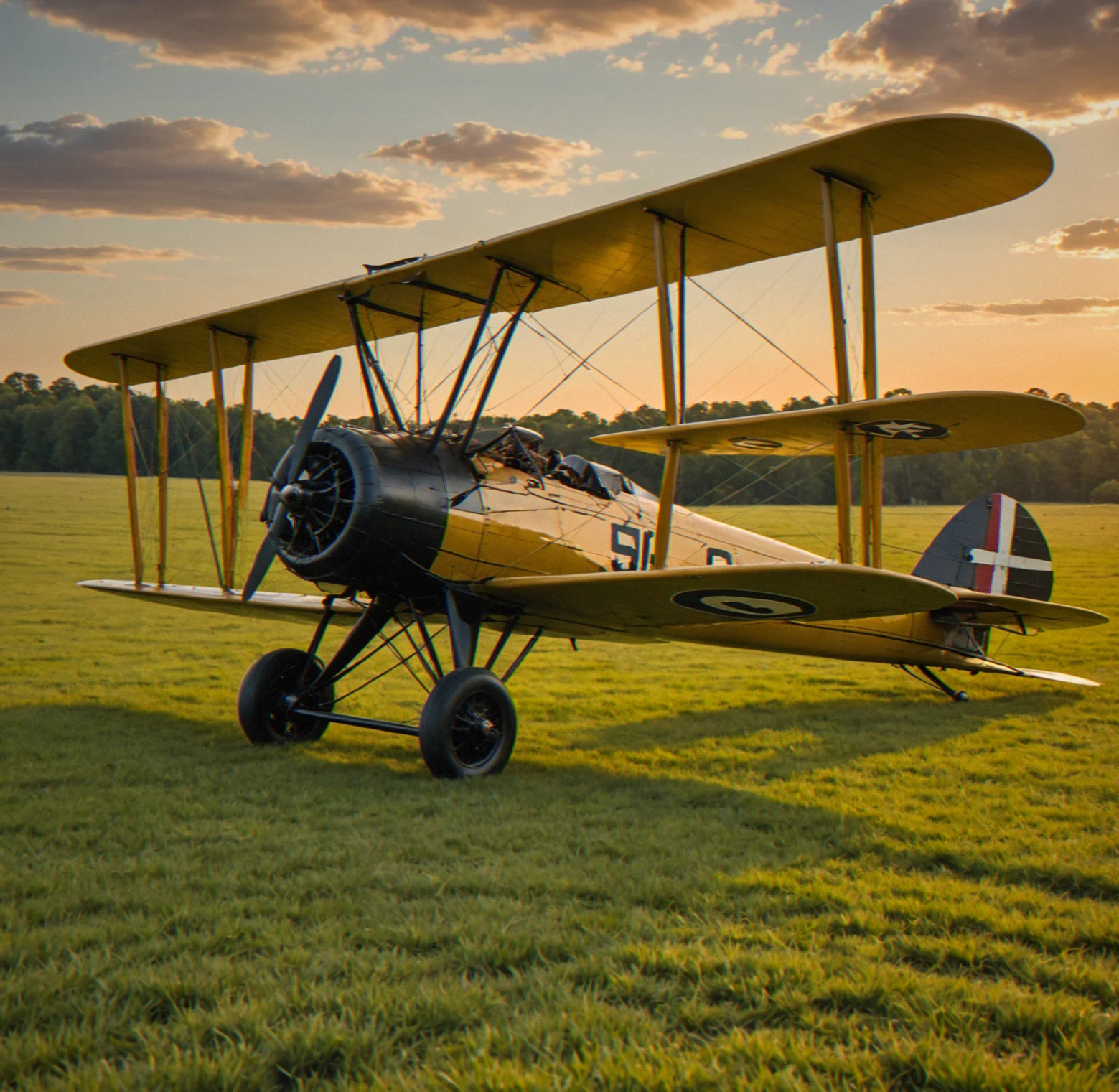
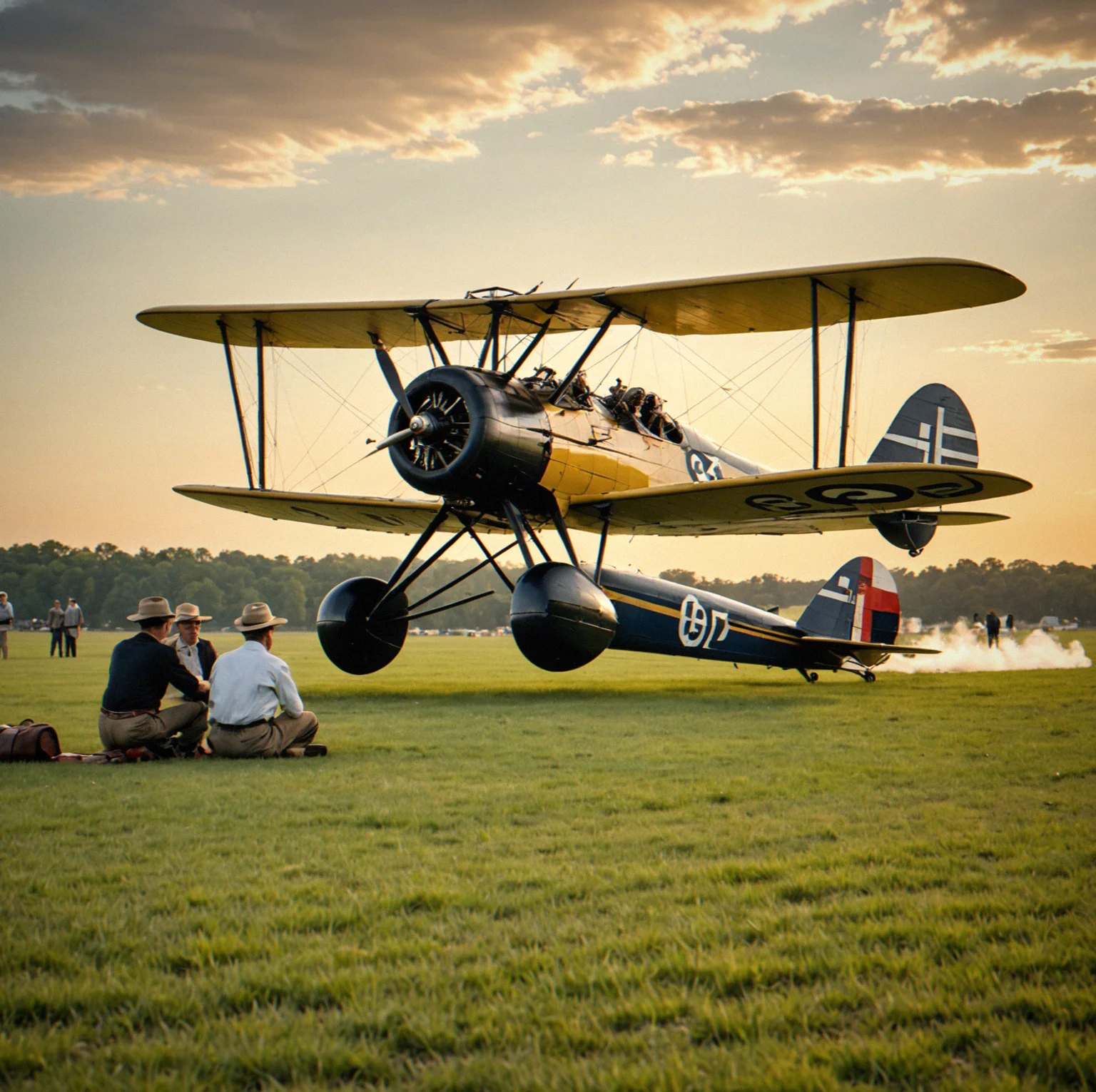
Vintage Curtiss Jenny biplane sitting on a grass field with spectators in the distance, everyone dressed in 1920s clothes
1920s–1930s Flight

Fly the barnstorming circuits.

Curtiss Jennys, county fairs and the cross-country routes that turned daring into cash.

This is Depression-era aviation, down to the routes, the planes, and the actual economics. The Women's Air Derby in September 1929. That milk run from Wichita to Los Angeles. A Travel Air set up for flying upside down. Here's how it worked: 50 people show up at a county fair in Kansas, you charge them two bucks a head, subtract what the fuel costs, what you owe the crew and whatever's left is whether you're eating next month. If those numbers matter to you—if you want to know the real circuit names, why wing-walking on a Jenny killed so many people and what kept the survivors alive—this is built for that.

The circuits up close.

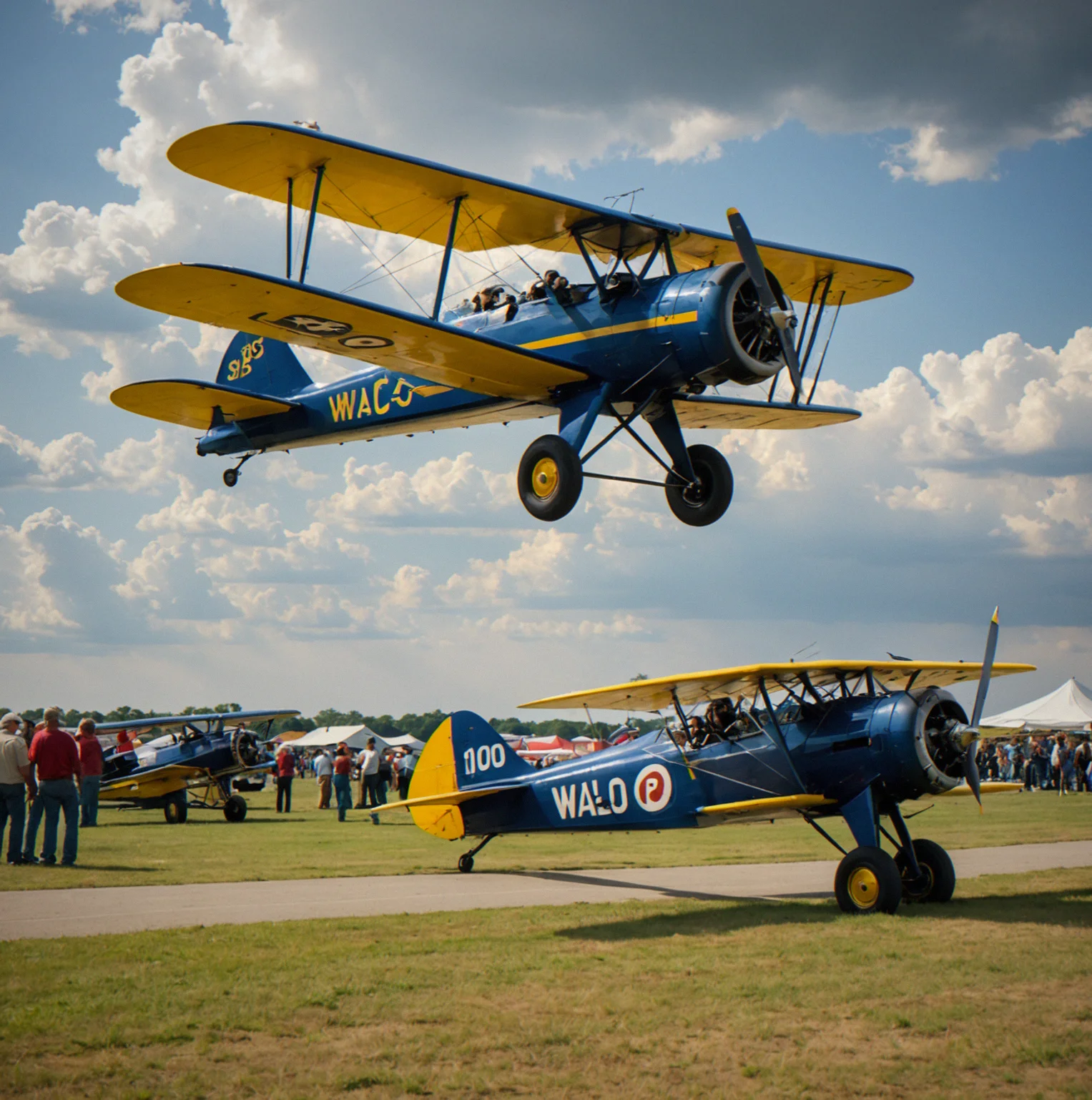
What was actually at a county fair air show? Canvas tents, dust everywhere, castor oil smell hanging in the air. Spectators in their Sunday best watching Travel Air 2000s, Jennys with fresh paint, maybe a Waco 10 if the promoter had the money. Here's what those routes looked like when you were standing on the ground.

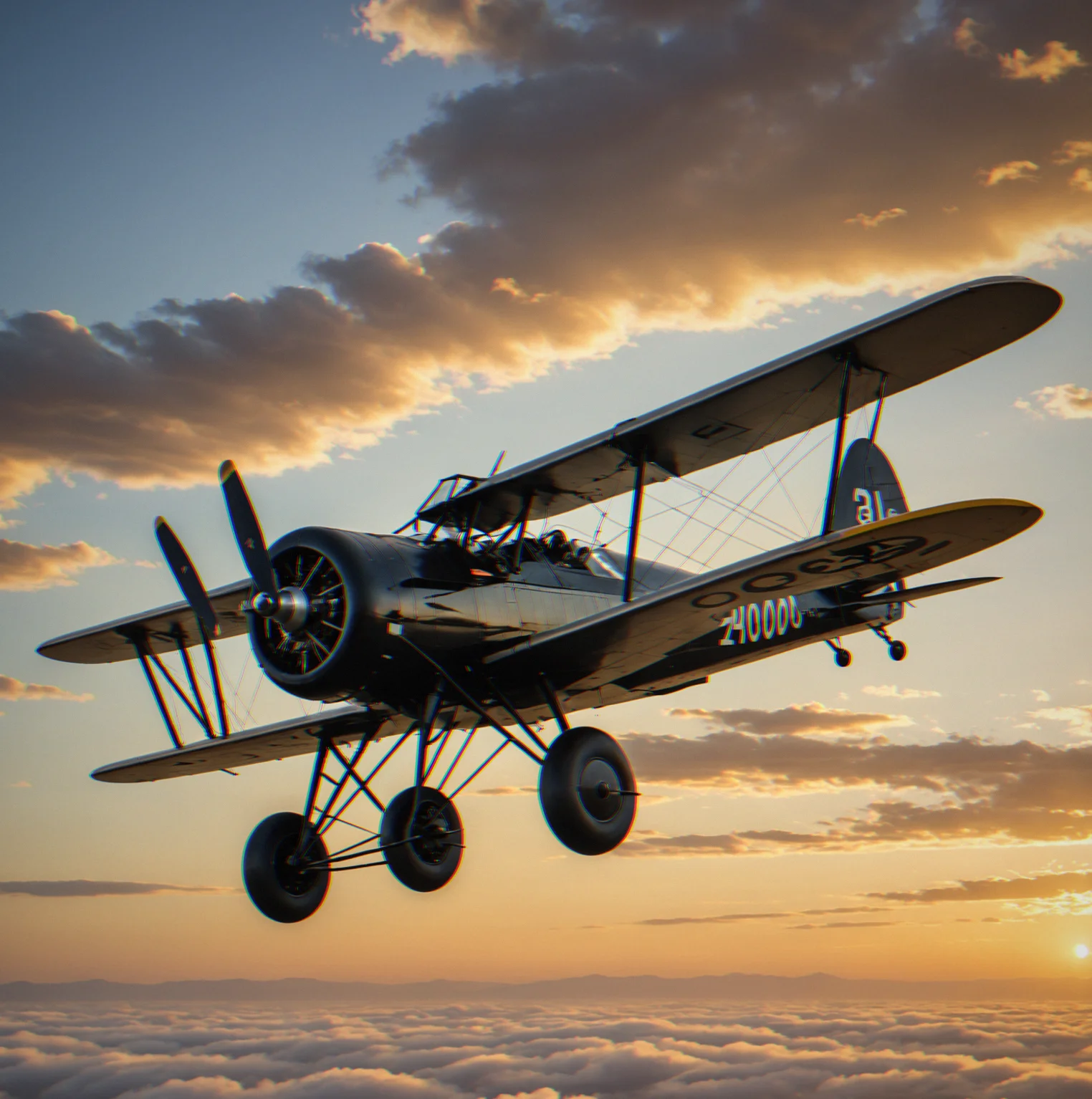
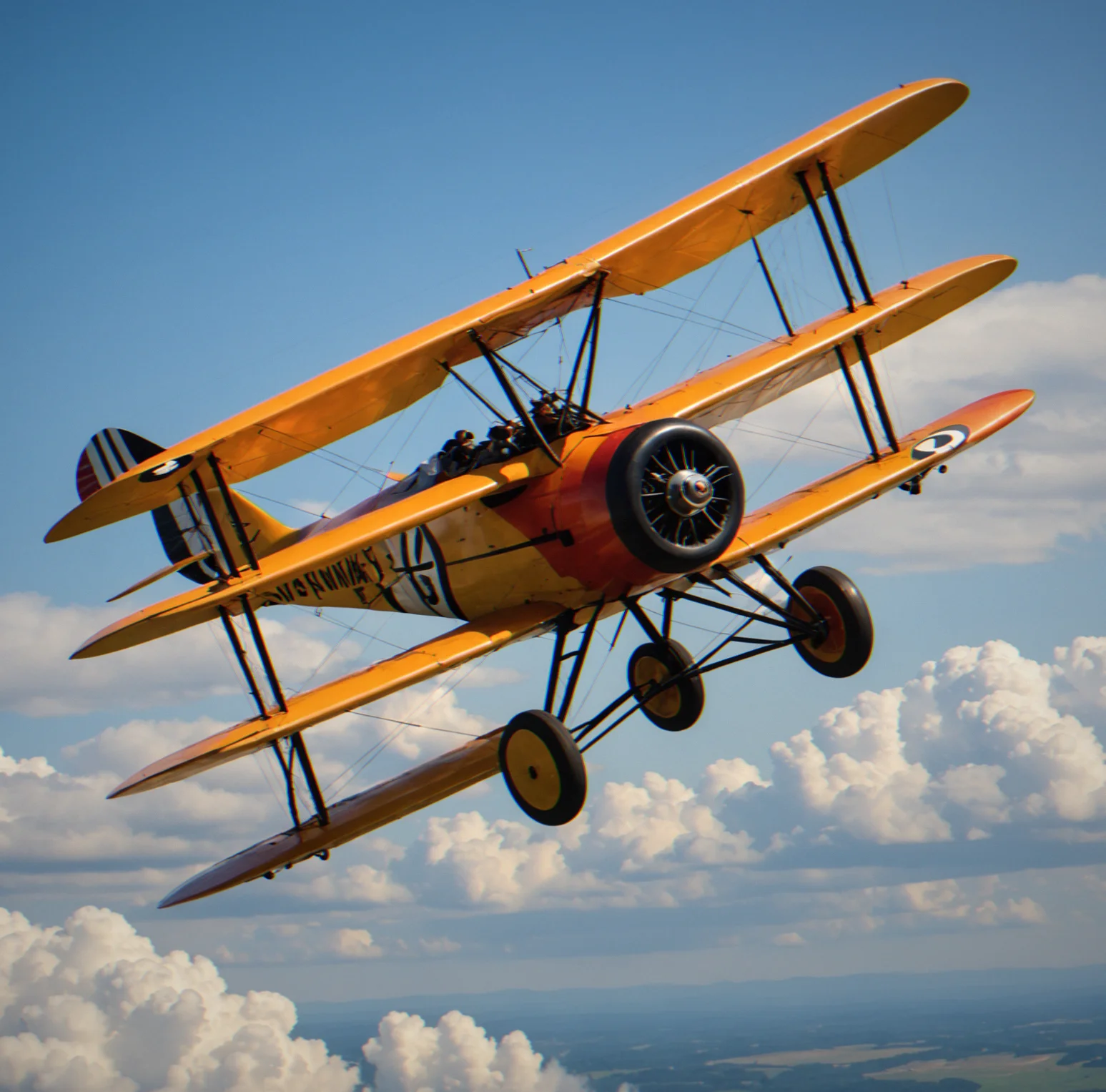
Curtiss Jenny upside down during a stunt, wing struts showing against the sky

Inverted flying at a Kansas county fair, 1927

Acrobat standing on the upper wing of a Travel Air, crowd watching from below

Wing-walk stunt, the way it looked in the posters

Several old planes parked on grass with canvas tents and wooden ticket booths nearby

Barnstorming setup at a Wichita-Los Angeles stop

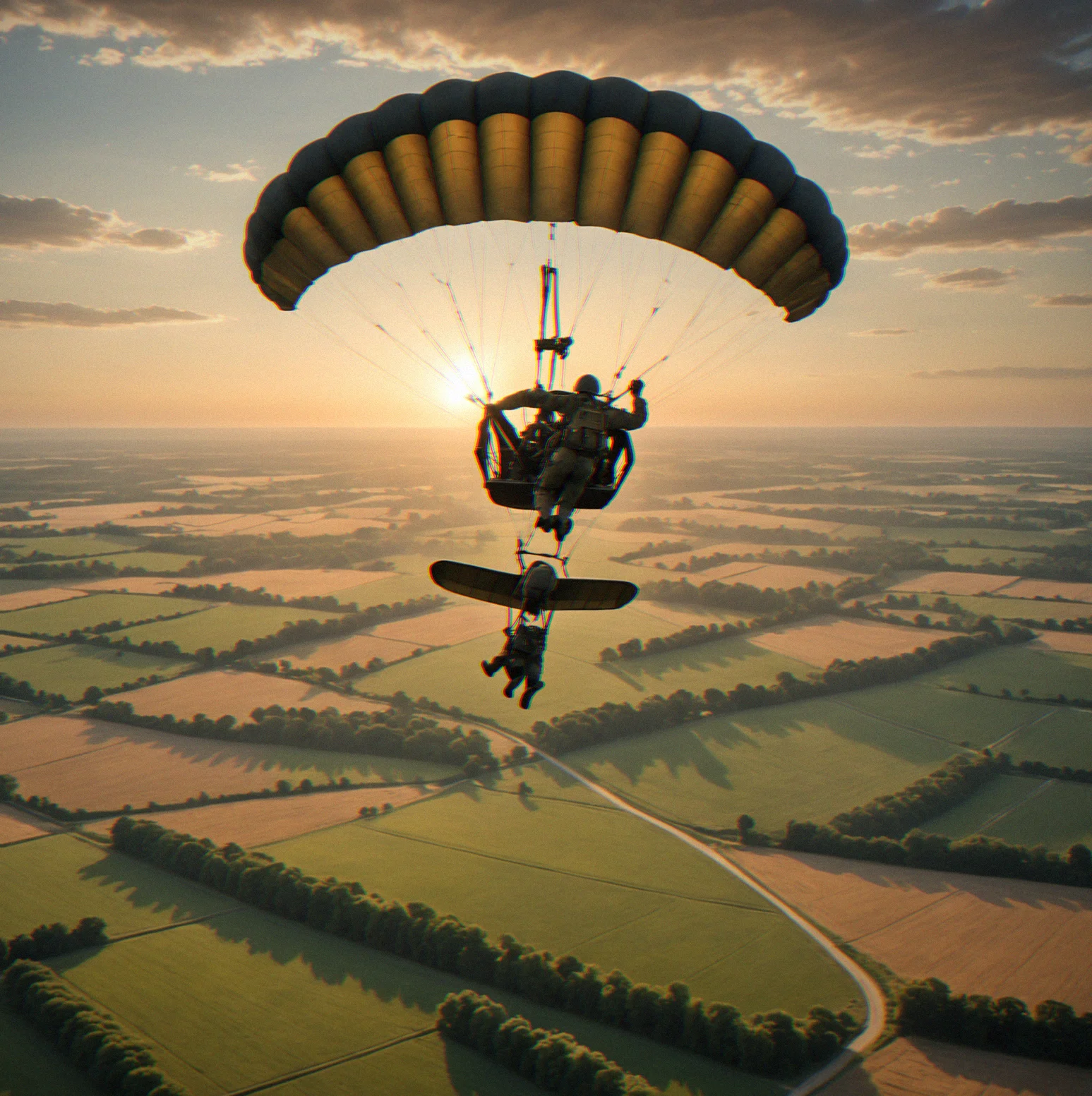
Parachutist descending under an open chute over farmland, plane still visible

Parachute jump, the main event people came for

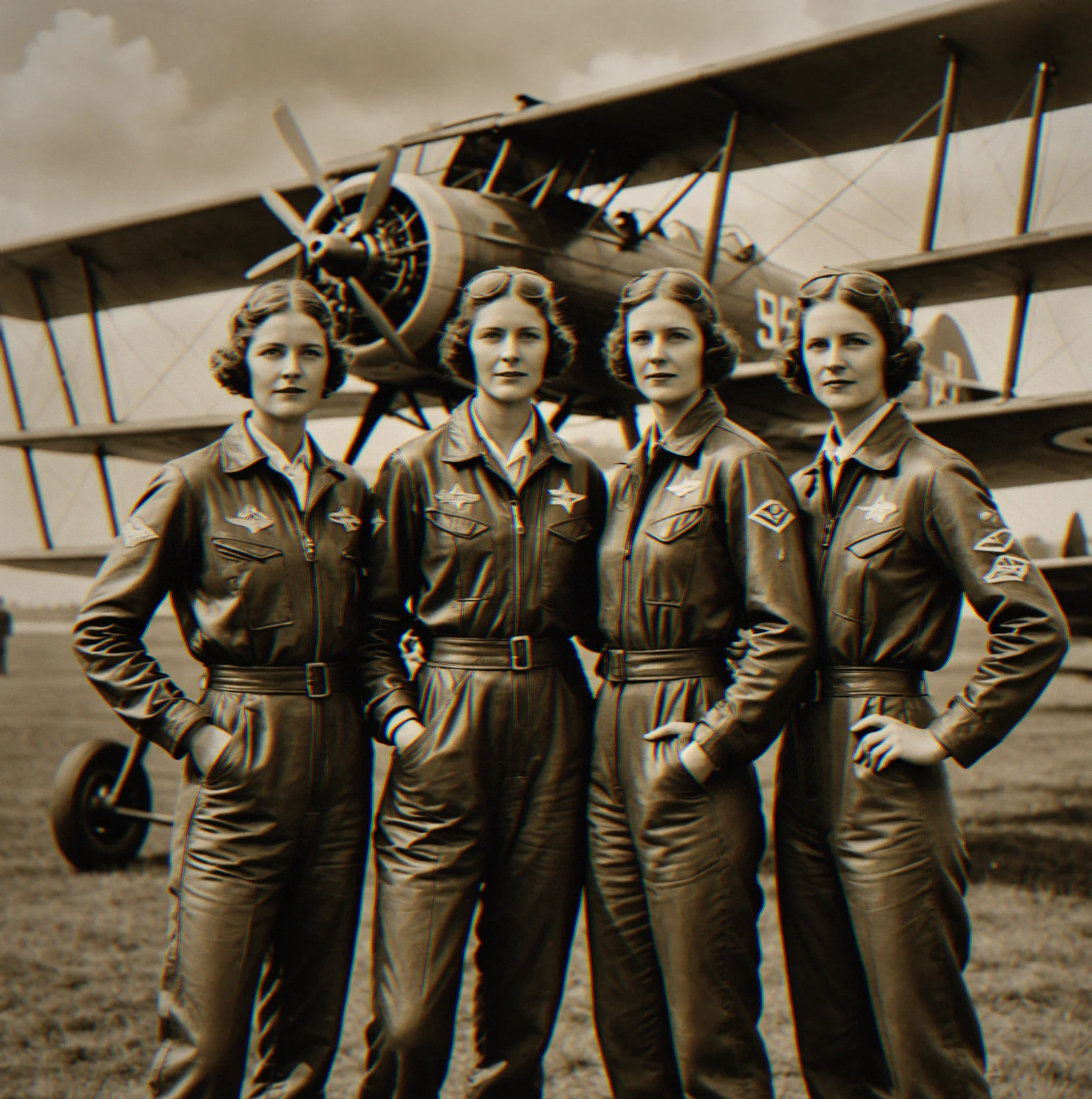
Women pilots in flight suits standing in front of a Travel Air marked for the 1929 Women's Air Derby

Women's Air Derby pilots, September 1929

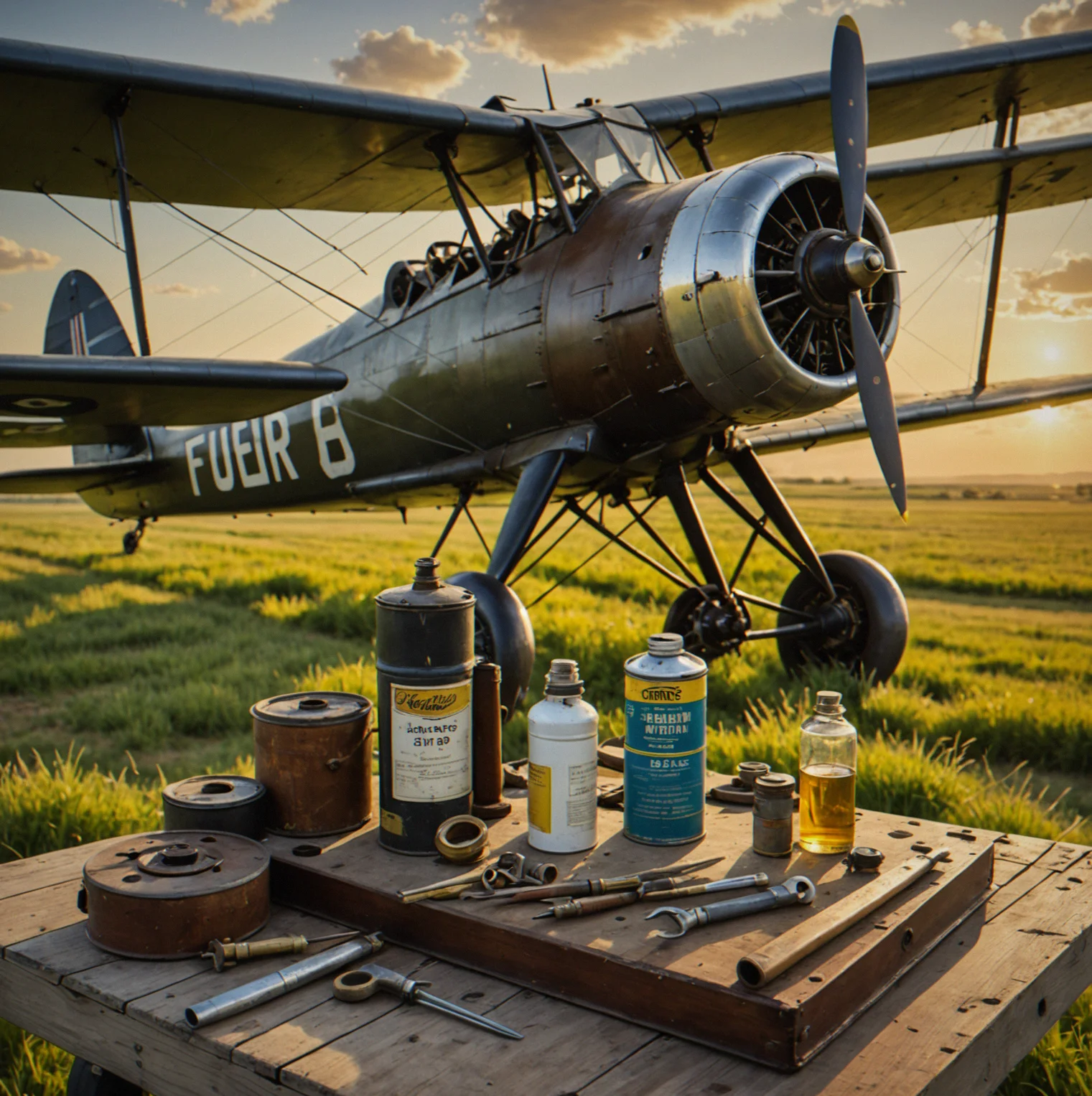
Fuel pump and tools next to a Jenny, paint worn down and oil stains on the fuselage

What it actually cost to keep going: fuel, fixes, parts you had to find on the road

Aviation Chronicle

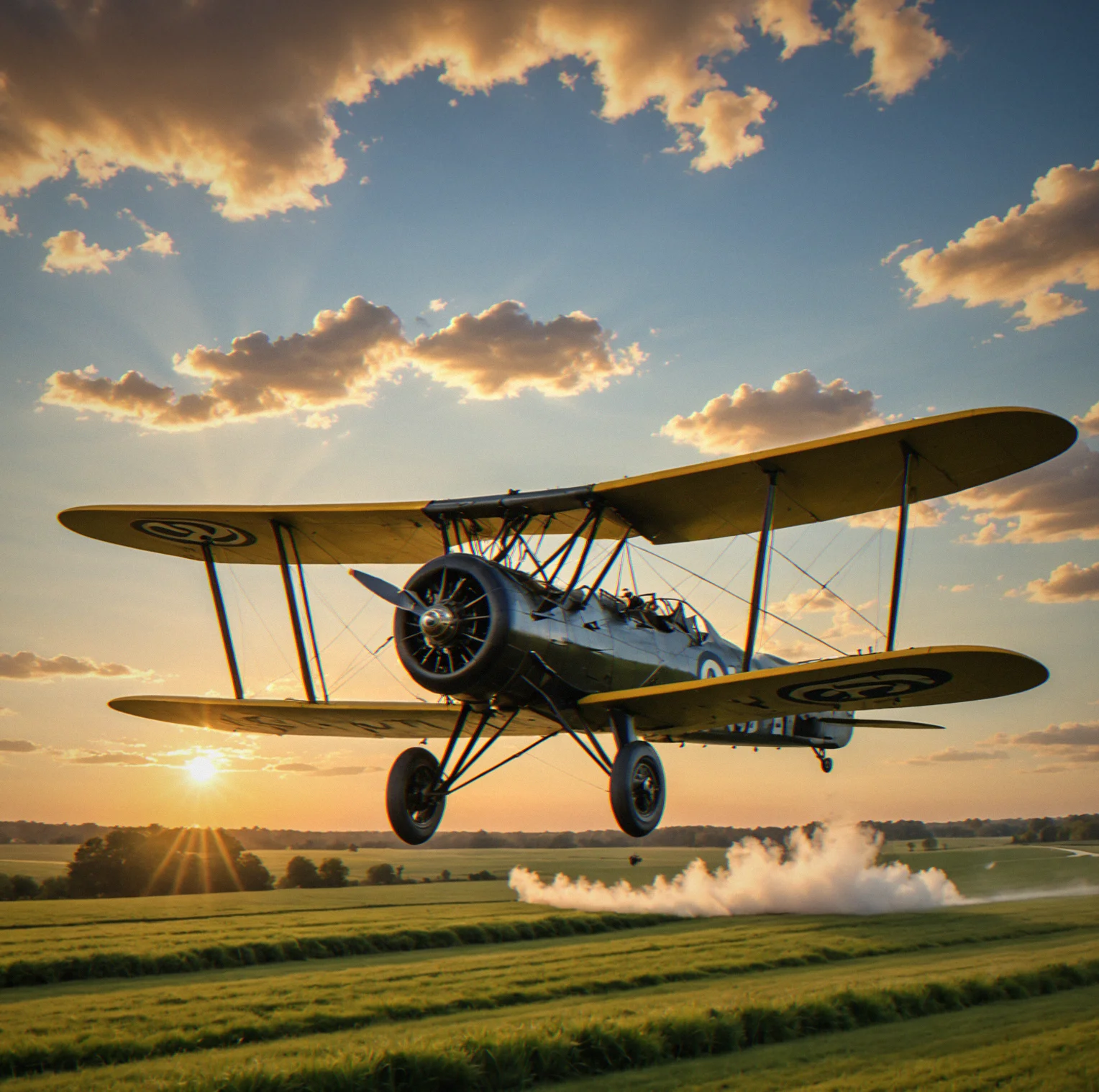
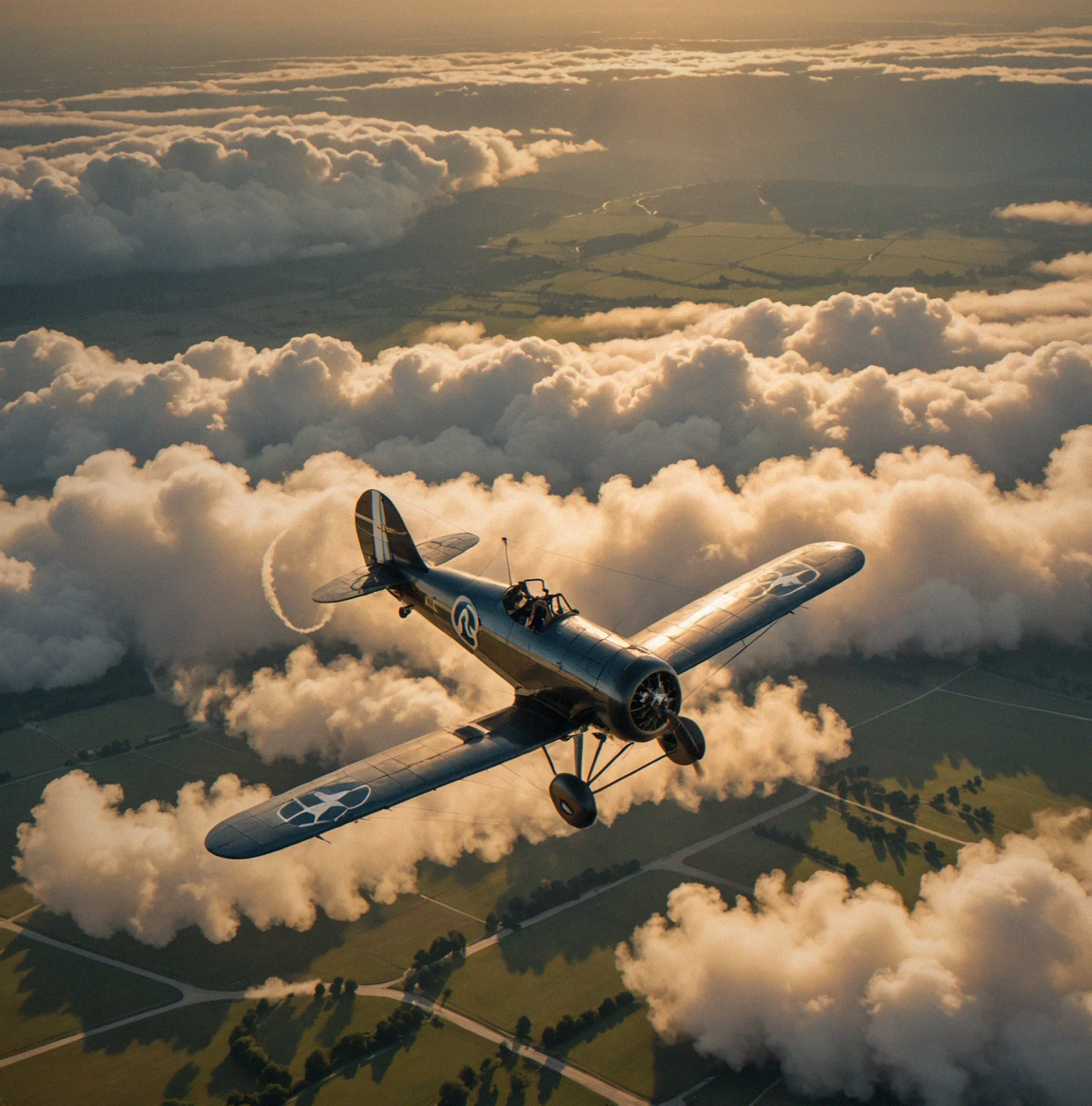
Curtiss JN-4 Jenny biplane sitting on a grass field. You can see the wheel struts and fabric wing panels pretty clearly, and the nose is dipped down.
Travel Air 2000 racing aircraft from the side. Sleek fuselage, wire bracing holding it together, and the registration number's visible on the tail.
Waco 10 biplane on the tarmac with sponsor paint all over it. There's a crowd in the background at what looks like a county fair.
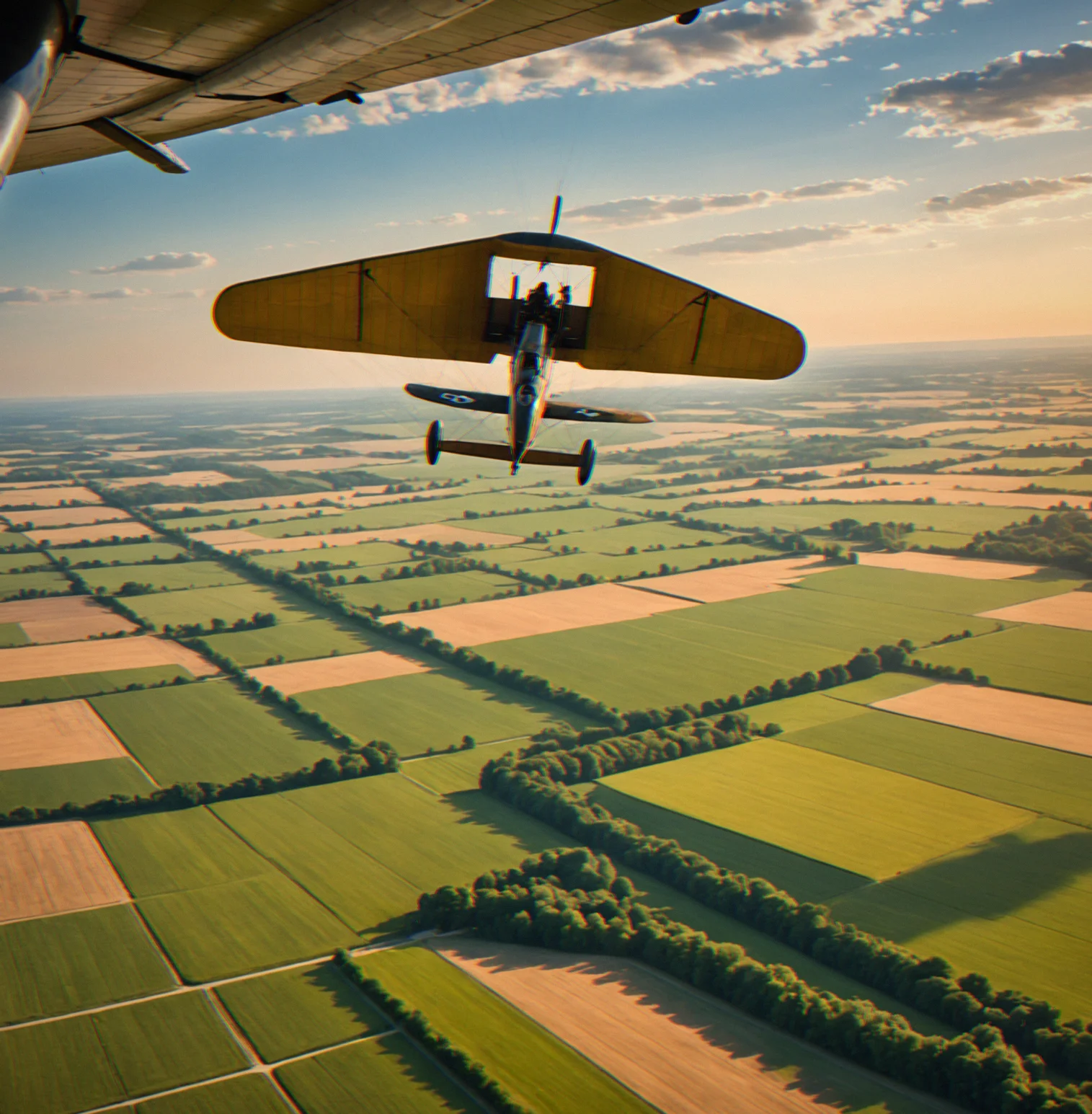
Jenny doing a loop-de-loop from above. People are watching from the ground and you can see dust kicking up everywhere.
Wing-walker balanced on the upper wing of a biplane in flight with arms spread out for balance. Bright sky behind them.
Parachutist descending toward a rural landscape with the chute deployed. The aircraft that dropped them is still visible above.
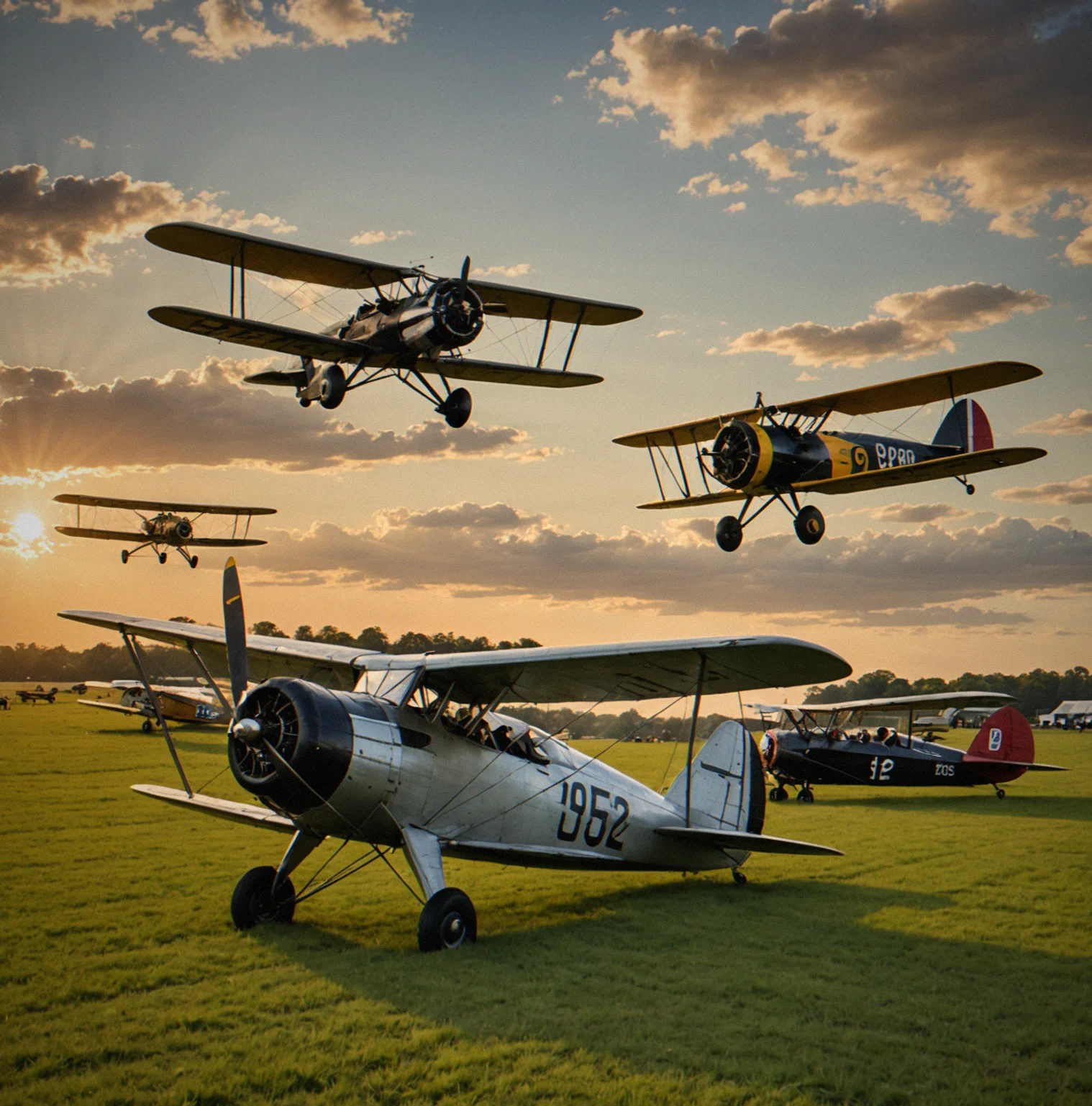
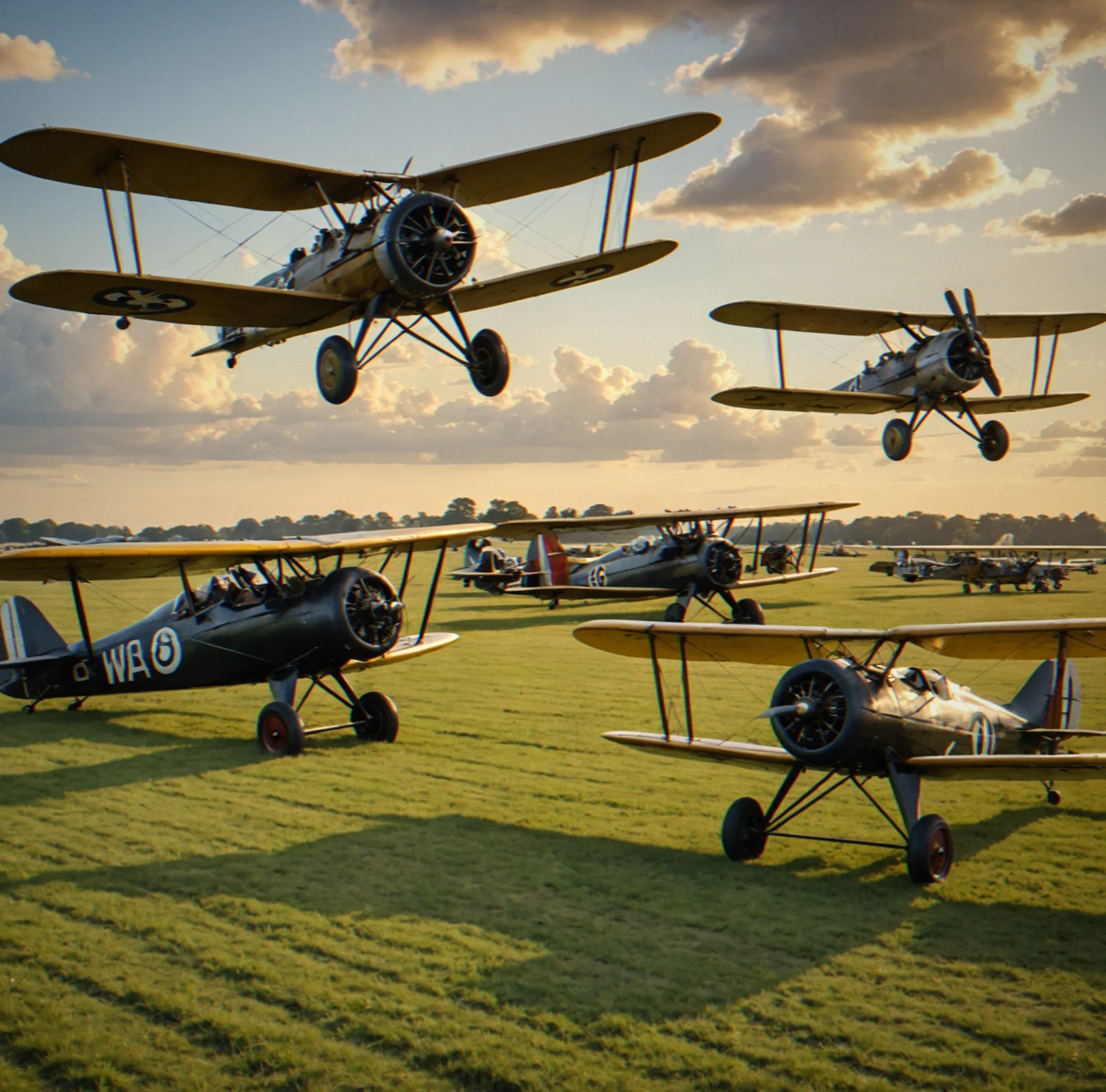
Several biplanes lined up on a grass airfield. Mechanics are working on the engines and fuel drums are stacked up nearby.
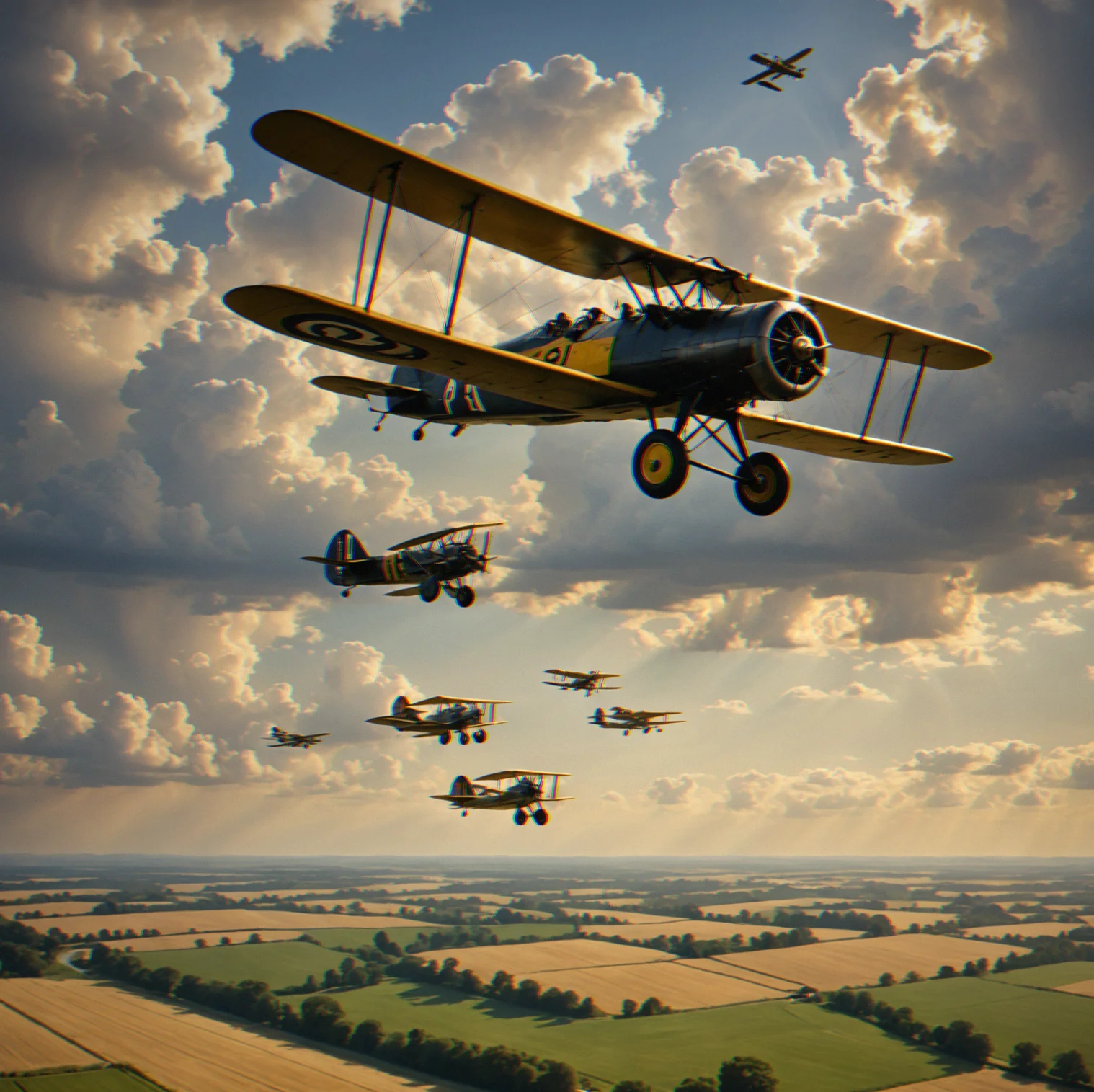
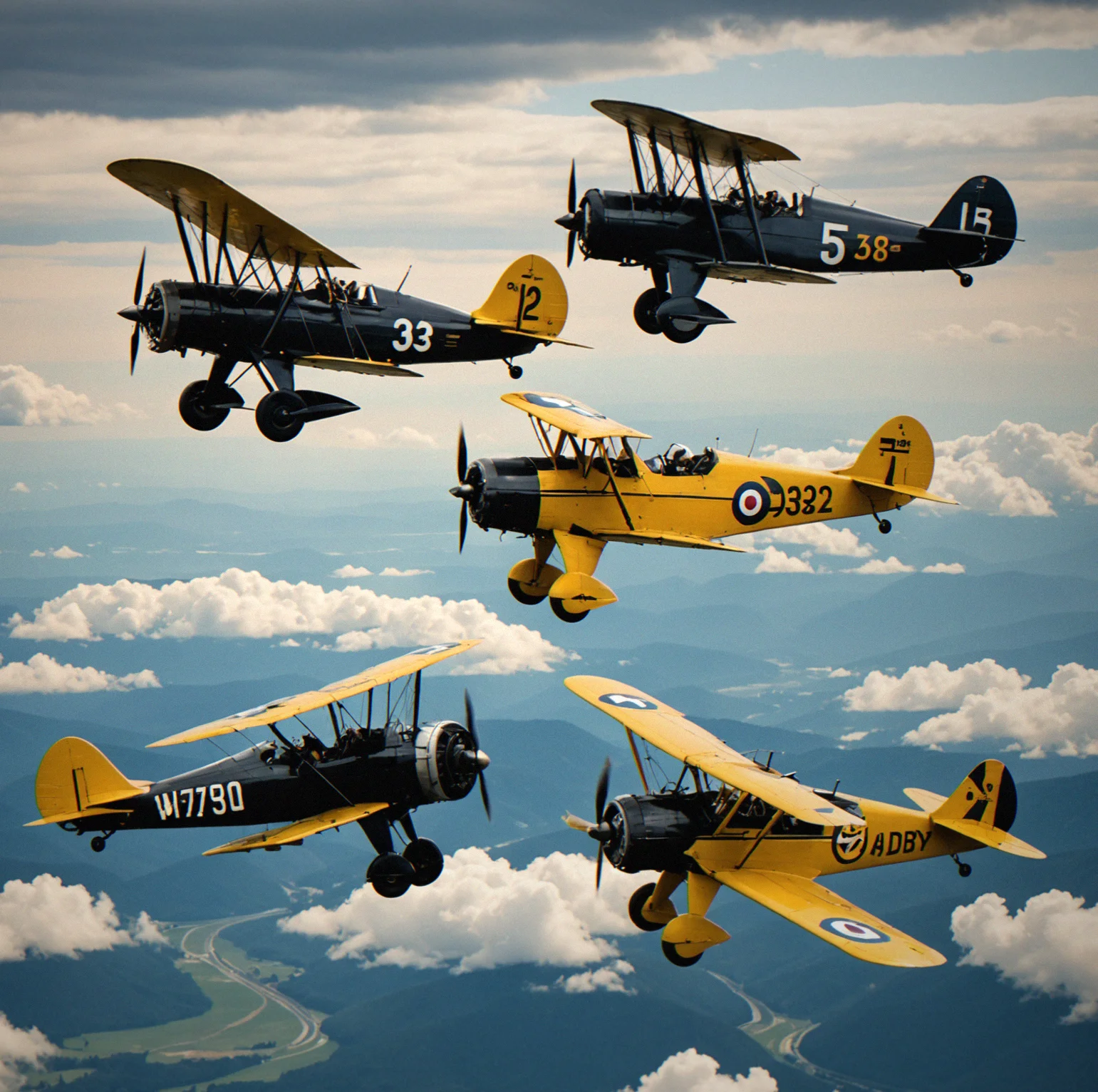
Three aircraft flying in formation for the Women's Air Derby. They're from the 1929 era with period markings and paint jobs.
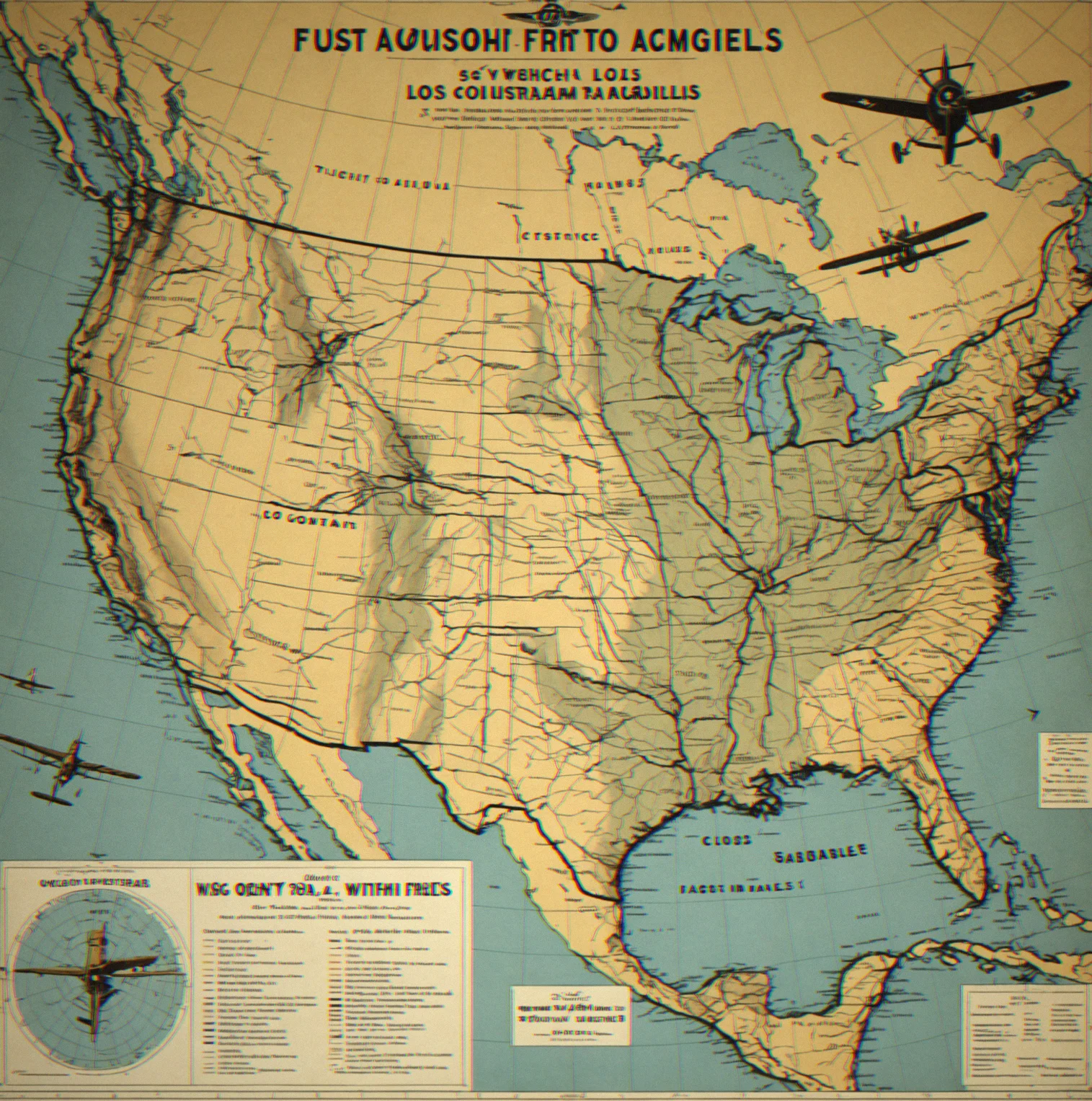
Route map showing a cross-country flight from Wichita to Los Angeles with counyt fair stops marked along the way and distances noted.
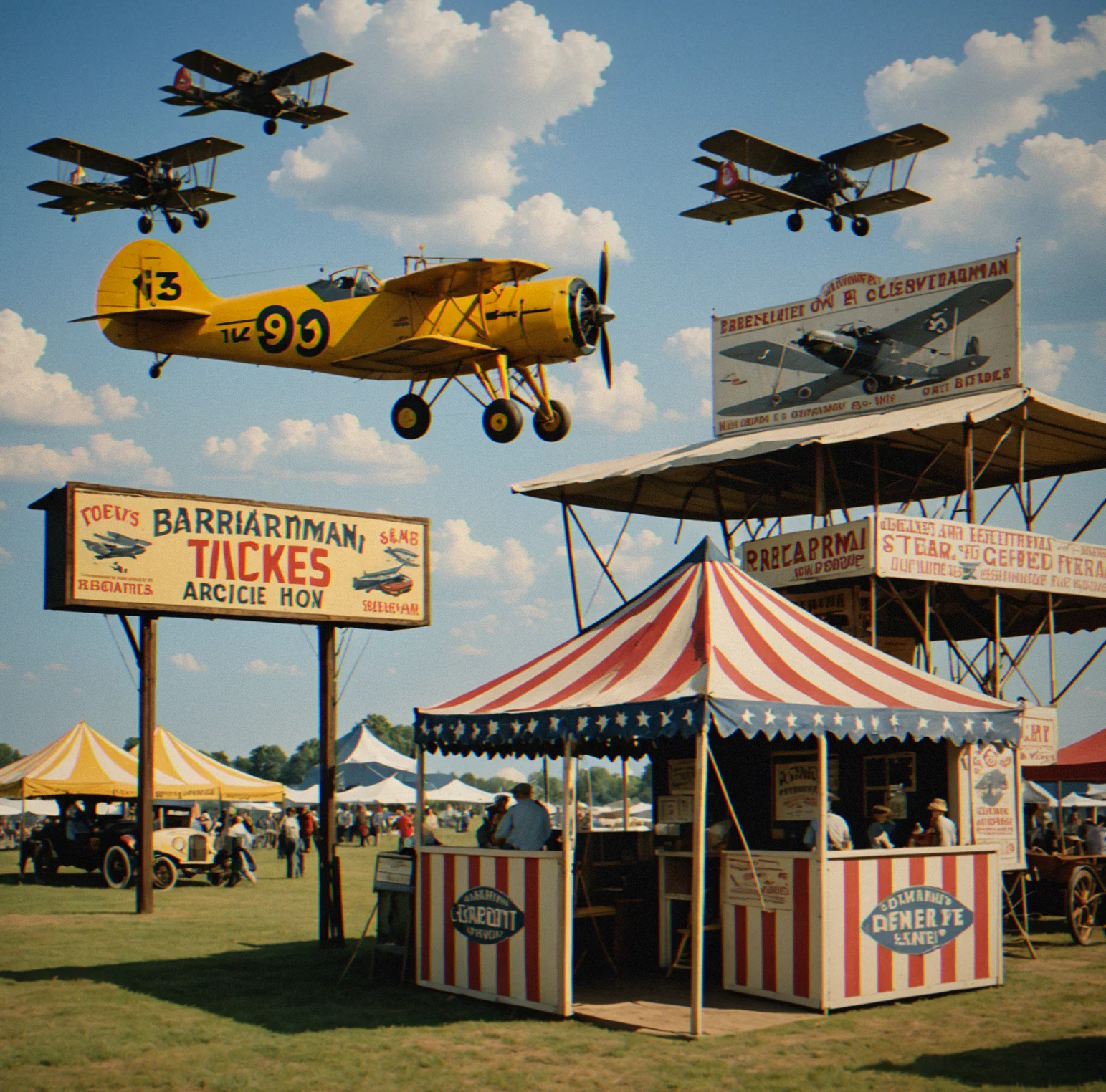
Vintage ticket booth and canvas tents at a barnstorming carnival. Hand-painted signs advertise the air show attractions.
1929

What you're flying into

Real aircraft. Curtiss Jenny, Travel Air, Waco 10.

Not generic biplanes. The actual models that barnstormers flew. The Curtiss Jenny maxed out at 75 mph, stalled at 35 mph, and came with a Hispano-Suiza engine that never stopped demanding attention. Fly what they flew.

The circuits map actual routes.

Wichita to Los Angeles. Kansas City to Denver. St. Louis through the Midwest crawl. These weren't random. Pilots had these routes memorized. County fairs, state festivals, air shows that came the same week every year. Navigate the real map.

$2 gate fees, fuel costs, crew shares.

The math matters here. Fifty spectators at a county fair paying $2 each meant a hundred dollars before you paid for anything. Fuel ran 25 cents a gallon back then. A two-hundred-mile hop ate into your profits fast. This is economics of survival, not some abstract number game.

Stunts with consequences.

Wing-walks, inverted flying, parachute jumps. Each one either pulls in a crowd or kills you. No second chances. People died doing these stunts in the 1920s. The simulation doesn't look away from that.

Women's Air Derby, September 1929.

Amelia Earhart, Louise Thaden, Phoebe Omlie racing from Santa Monica to Cleveland. Real pilots, real competition, real money on the line. The race that showed women could out-fly most men and still couldn't get decent sponsorship.

Hand-crafted world. Not photorealistic.

The art style is period-accurate without obsessing over polygon counts. Canvas tents, dust, wooden ticket booths, hand-painted signs on everything. The look matters because it's not trying to fake authenticity.

Fuel management and engine wear.

Your aircraft isn't fresh off the line. Oil temperature climbs. Spark plugs get fouled. Long flights take planning, not just topping off the tank. The Jenny forgives mistakes but expects respect.

County fair landings on grass, alkali, wheat.

Not every field is a prepared runway. Some are just pastures. Some are hard-pan desert. One has a ditch that only shows up from certain angles on approach. Scope out your landing spot before you commit to it.
1920

Built for the obsessive

01

Aircraft that fly like themselves

The Curtiss Jenny stalls around 35 mph. Travel Air cruises at 90. A Waco 10 handles like a truck but somehow stays airborne. Each one's got real limits, real weight, real fuel consumption. Fly one and you get why pilots picked specific machines for specific routes.

02

Routes traced from actual circuits

Ever wonder why the western loop went Wichita to Amarillo to Albuquerque? County fairs with real crowds and real money. The Midwest crawl hit smaller towns that paid steadily. Desert circuits were where you went to escape winter. You're not making this up as you go. You're following what actually happened.

03

Economics that demand decisions

Do you burn fuel getting to a county fair where maybe 60 people show up, or keep the money and skip it? Inverted flying gets the spectators' attention but risks the aircraft. Every stunt, every route, every fuel call is a trade-off. That's what makes it work.

04

Stunts with real stakes

Wing-walkers died constantly in the 1920s. No straps, maneuvers that could kill you. Parachute jumps failed. Spins went wrong and didn't come back. The sim acknowledges that history instead of smoothing it over.

05

The Women's Air Derby, as it happened

September 1929. Santa Monica to Cleveland. Earhart, Thaden, Omlie racing each other while fighting sponsorship discrimination that would've stopped most of them—and the historical record shows it nearly did. You fly their race. You face what they faced.

06

Hand-drawn world instead of photorealism

Canvas tents, dust rising off the field, hand-painted fairground signs. The art respects the era without trying to be a photograph. Getting the Depression-era feel and the landing field conditions right matters more than rendering individual grass blades.

1920
The Golden Age

How barnstormers made their living

A Curtiss Jenny ran about $1,200 fresh off the line in 1920—call it $20,000 today. You could pick up a used one for $300 to $500, so a gutsy pilot with maybe $400 to their name could actually get started. County fairs paid out $2 to $5 per person watching. A good turnout meant 100 to 200 spectators. That $200 to $1,000 from ticket sales had to cover everything: fuel at a quarter a gallon, upkeep, replacement parts, and sometimes you cut crew in on it. Margins were thin. The real fliers—the ones with actual skill, who could fill stands, who walked away from their stunts—pulled in $200 to $500 weekly when business was booming, which felt substantial in 1928 and 1929. But most pilots made less, and plenty of them never got to enjoy what they earned. October 1929 changed everything. By the next year, county fairs had gutted their budgets. Nobody showed up. Routes that worked two years earlier were dead by 1931.

75
Curtiss Jenny top speed (mph)
1929
Women's Air Derby race year
25
Fuel cost per gallon (cents, 1920s)
500
Typical weekly earnings for skilled pilots (dollars, peak season)

What shaped the era

The people, machines and money behind barnstorming from the 1920s into the 1930s.

The Curtiss JN-4 Jenny

They built thousands after World War I ended. You could pick up a used one for three to five hundred bucks. Stall speed of 35 mph, maybe 75 at the top end. Easy to fly but underpowered—basically the only aircraft barnstormers could afford. Most either learned on a Jenny or crashed one.

County fair economics

Two to five dollars per ticket. A good turnout meant a hundred or two spectators. That translated to somewhere between two hundred and a thousand in revenue, which had to cover fuel, repairs, and paying the crew. Often it didn't. Once you factored in fuel at a quarter per gallon and a four-hundred-dollar plane payment, one bad fair could wipe you out.

Wing-walks and parachute jumps

This is what people came to see. Acrobats standing on the upper wing at 60 to 80 mph with nothing holding them in place, or parachutists jumping and hoping the landing didn't break something. Both killed performers all the time. Insurance companies wouldn't touch it, so performers just didn't get insured.

The Women's Air Derby, 1929

A cross-country race from Santa Monica to Cleveland. Amelia Earhart, Louise Thaden, Phoebe Omlie, and about fifteen other women showed they could navigate, fix an aircraft, and fly better than most of the men. Sponsors didn't want to support them anyway. The prize money existed but wasn't generous.

Established circuits and routes

Wichita to Los Angeles. The long grind through the Midwest. Arizona in winter. Pilots knew which fairs happened the same week every year, which landing strips wouldn't destroy your landing gear, which towns had money and which ones might draw fifty people if you were lucky.

October 1929 and after

The stock market tanked. County fair budgets disappeared. Routes that worked the year before were gone by 1931. Nobody showed up anymore. Pilots who survived the stunts didn't survive the Depression. That was the end.

Common Questions

Before you fly

Actual questions people have about how accurate this is, whether the planes hanlde right, and what you're getting yourself into. No sales pitch.

They are. The western loop hits Wichita, Amarillo, Albuquerque, and Los Angeles, while the Midwest route goes through St. Louis, Kansas City, Omaha, Des Moines, and Chicago—both follow the county fair schedules and pilot routes pilots actually flew between 1925 and 1929. You can find the winter circuits in Arizona and New Mexico documented in period aviation logs. You're flying on maps that were real.
Because it's the core of what makes the game work. Skip a county fair and suddenly you're short on fuel money. Crash your plane and you're done—no respawn, just bankruptcy. The real tension in barnstorming was always between pulling off the wild stunts that packed the stands and not actually dying in the attempt. That's where the drama comes from, and that's what makes these routes feel like they matter.
It's a full race. September 1929, Santa Monica to Cleveland, using the same route and timeline as the real event. You're competing against pilot names and profiles built from actual competitors who flew it. The game factors in sponsorship discrimination and fuel availability—those aren't just window dressing, they're mechanics that affect how you race.
Not at all. Hand-drawn period-accurate art does more for authenticity than perfect rendering ever could. Canvas tents, dust on the ground, wooden signs, the specific shapes of each aircraft—those details matter more than flawless pixels. A Jenny reads as a Jenny because the proportions and fabric panels are correct, not because the graphics are technically perfect.